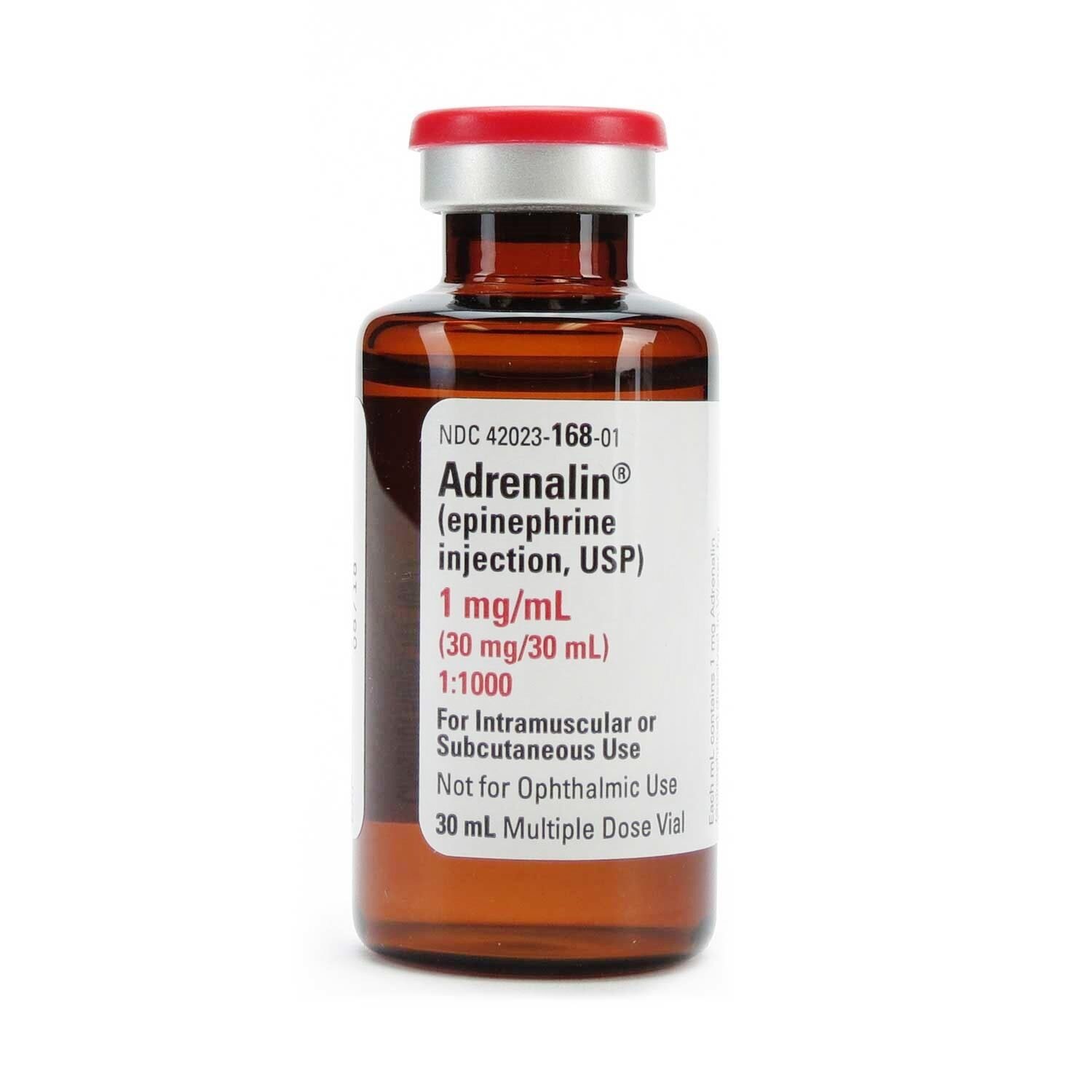
ADRENALIN (Epinephrine Injection)
Adrenalin (epinephrine injection) 1 mg/mL is a non-selective alpha and beta adrenergic agonist indicated for the emergency treatment of allergic reactions (Type I), including anaphylaxis, and to increase mean arterial blood pressure in adult patients with hypotension associated with septic shock. It is available as an injectable solution for intramuscular, subcutaneous, and intravenous use.
Key Benefits:
• Indicated for emergency treatment of allergic reactions (Type I) including anaphylaxis resulting from insect stings or bites, foods, drugs, sera, diagnostic testing substances, and other allergens, as well as idiopathic and exercise-induced anaphylaxis
• Indicated to increase mean arterial blood pressure in adult patients with hypotension associated with septic shock
• Available in both single dose (1 mg/1 mL) and multiple dose (30 mg/30 mL) vial presentations to support varied clinical settings
• Dosing can be repeated every 5 to 10 minutes as necessary for anaphylaxis, with weight-based dosing available for pediatric patients
• No contraindications listed in the prescribing information
Dosage & Administration:
For anaphylaxis, the recommended dose for adults and children 30 kg or more is 0.3 to 0.5 mg (0.3 to 0.5 mL) administered intramuscularly or subcutaneously into the anterolateral aspect of the thigh, repeated every 5 to 10 minutes as necessary; children under 30 kg receive 0.01 mg/kg (up to 0.3 mg) by the same route. For hypotension associated with septic shock in adults, epinephrine is diluted and administered by intravenous infusion at 0.05 to 2 mcg/kg/min, titrated to achieve the desired mean arterial pressure, then weaned gradually after hemodynamic stabilization.
Why Choose ADRENALIN?
Adrenalin is a dual-indication epinephrine injection addressing both acute anaphylaxis emergencies and hemodynamic support in septic shock-associated hypotension, supplied in both single dose and multi-dose vial formats as described in the prescribing information.
Warnings:
• Do not inject into the buttock, digits, hands, or feet; injection into the buttock may be ineffective for anaphylaxis and has been associated with Clostridial infections (gas gangrene), and injection into digits, hands, or feet may cause loss of blood flow and tissue necrosis due to epinephrine's strong vasoconstrictive properties
• Epinephrine may induce cardiac arrhythmias and myocardial ischemia, particularly in patients with coronary artery disease or cardiomyopathy; patients receiving MAO inhibitors or tricyclic antidepressants may experience severe, prolonged hypertension
• Avoid extravasation into tissues during intravenous infusion, as local necrosis may result; monitor infusion site frequently and change site if blanching occurs
Disclaimer: This product description was generated by AI and is for informational purposes only. Please refer to the latest package insert for complete information on indications,
contraindications, warnings, and proper use.